

FAQS
How does VR replicate the psychological pressure of working in tight spaces?
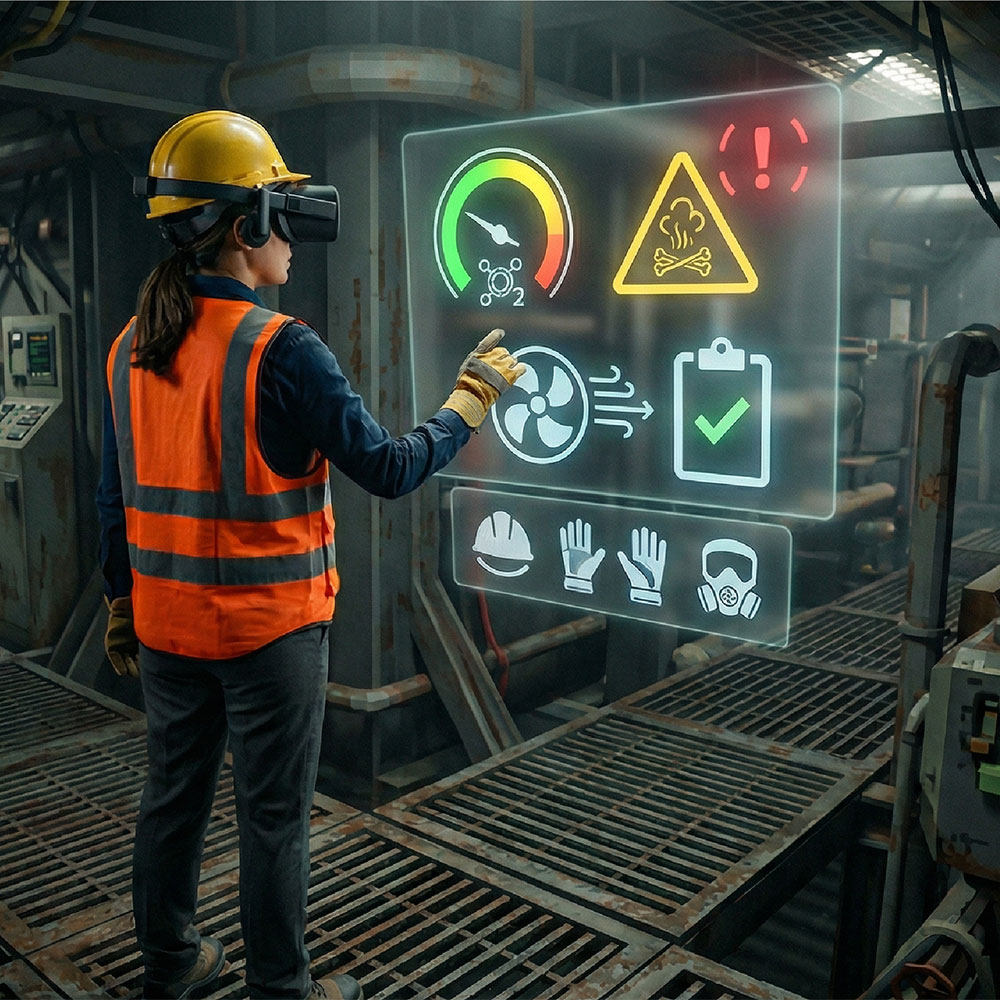
By utilizing spatial audio, restricted visual fields, and a realistic scale, the VR headset safely simulates the enclosed feeling of a confined space. This helps workers build psychological resilience, ensuring they stay calm, follow protocols, and avoid panic in the real world.
Can this training log data for company safety audits?
Yes. The training module tracks a complete checklist of the user’s actions, such as whether they checked the lower explosive limits (LEL), verified their ventilation, or maintained contact with their attendant. This data is compiled into a compliance report for safety managers.
What is Confined Space VR Training?
Confined Space VR Training is a virtual reality-based safety course designed to help workers safely identify and manage hazards in confined and restricted work environments.
Why is confined space training important?
Confined spaces can contain hidden dangers such as toxic gases, oxygen deficiency, limited movement, and restricted escape routes. Proper training helps reduce serious injuries and fatalities.
What skills are taught during the training?
Participants learn hazard recognition, PPE usage, confined space entry procedures, emergency response, atmospheric safety awareness, and safe task completion techniques.
Is the training based on OSHA standards?
Yes, the course follows OSHA confined space safety regulations and industry best practices for workplace safety.
What type of environments are included in the VR simulation?
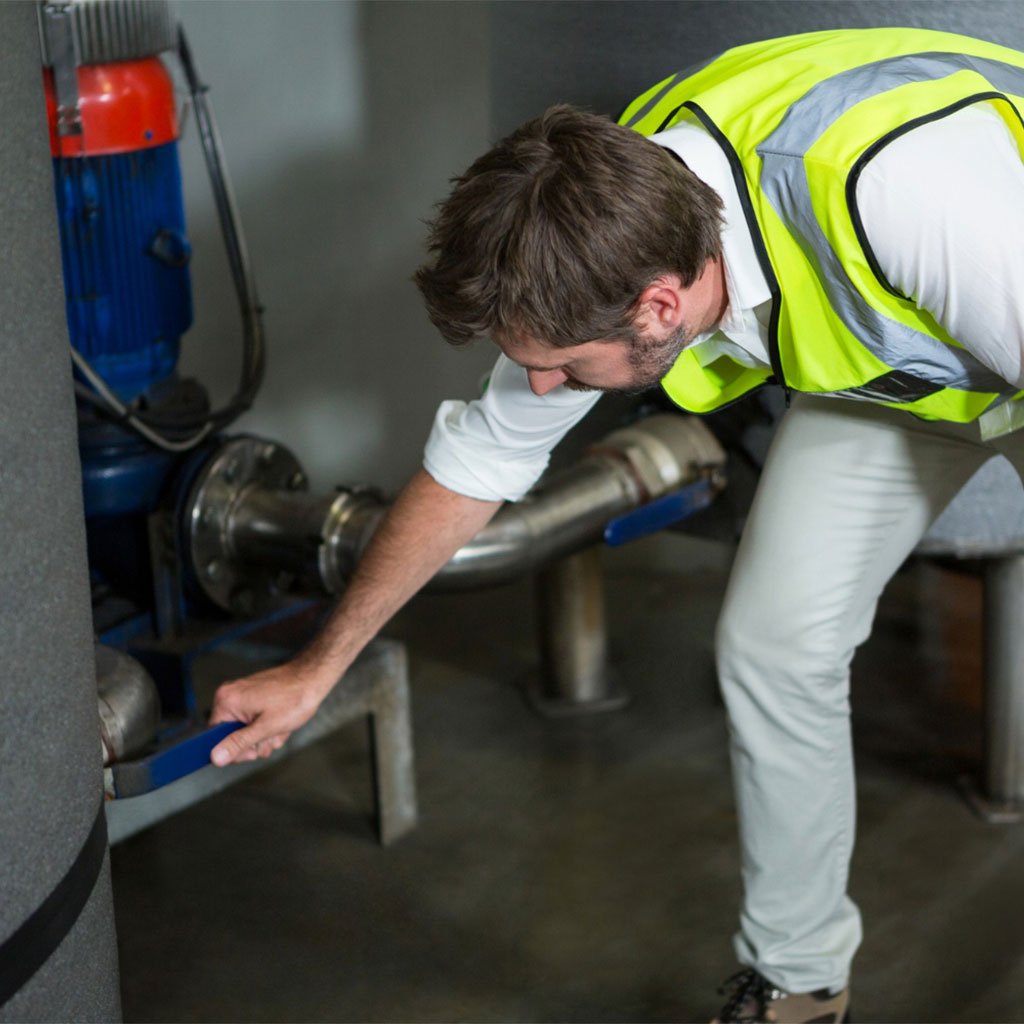
The VR scenarios include underground and below street-level confined spaces where workers must safely complete operational tasks such as shutting off gas valves.
Is this course suitable for beginners?
Yes, the training is suitable for both new employees and experienced workers who require confined space safety certification or refresher training.
How are trainees evaluated?
Participants are assessed on their ability to identify hazards, use PPE correctly, follow safe procedures, and respond appropriately to confined space emergencies.